


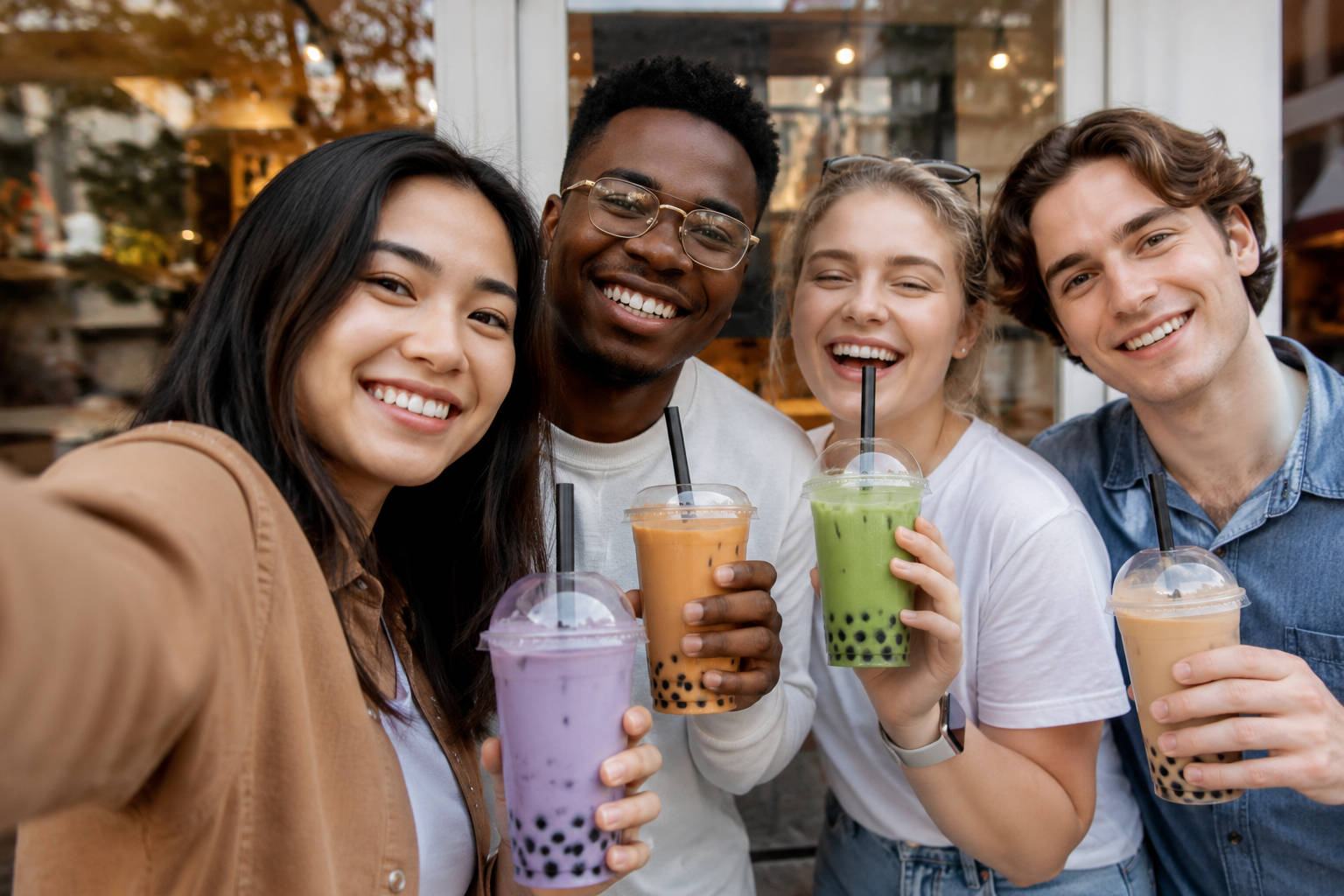
Your dining room is dead from 2:00 to 5:30, your labor is on the clock the whole time, and food costs keep moving in the wrong direction. Meanwhile, the same customer who orders a full entrée once a week is walking past your door three or four times to buy someone else’s $6 iced matcha. That gap is the whole story.
The “little treat” — a layered iced matcha, a botanical mocktail, a seasonal cold brew — has quietly become one of the most reliable reasons a customer walks in. For independent operators, understanding how the “Little Treat Economy” is turning specialty drinks into a driver of restaurant traffic and revenue (restaurant growth + operations angle) isn’t a trend piece. It’s a practical answer to two problems you already have: empty off-peak hours and thin margins.
Here’s how the behavior works, how to build a drink menu that makes money, and how to run it without blowing up your ticket times.

What the “Little Treat Economy” Actually Is
When money gets tight, people don’t stop spending — they trade down. The vacation and the new phone get cut. The small, everyday reward stays.
That’s the consumer psychology of small indulgence rewards in one line: a $7 drink is an affordable, guilt-free win in the middle of an ordinary day. It’s the purchase people keep making precisely because it’s small.
Why Gen Z Drives This
A lot of the momentum comes from Gen Z affordable luxury spending habits. Younger customers spend on experiences, aesthetics, and self-care, and a mid-afternoon premium drink checks all three boxes at once.
Look at Gen Z drink trends, and you’ll see beverages doing far more than quenching thirst — they’re a mood, a status marker, and something worth posting. The social media influence on beverage consumption is the part operators underrate: a bright, well-built drink is free advertising. Every customer who films themselves is doing your marketing for you.
Why Drinks Pull People In
If you’re wondering why specialty drinks increase foot traffic, it’s frequency, not size. A $20 burger is an occasion. A $6 signature iced tea is a habit — and habits show up again and again.
They Fill the Dead Hours
You know the afternoon lull. Lunch clears out by 2:00, dinner doesn’t arrive until 5:30, and your labor cost doesn’t care that the room is empty.
Specialty beverages are some of the most dependable restaurant revenue drivers during off-peak hours. A drinks-focused happy hour — premium coffees, teas, mocktails — gives people a reason to come in at exactly the times your seats would otherwise sit empty. You’re not adding traffic; you’re moving it into the gap you already pay for.

Trends Bring Them to the Door
Don’t ignore the impact of viral TikTok food trends on restaurant operations. One distinctive drink — a sparkling yuzu lemonade with a butterfly-pea float that shifts color — can travel further than any ad you’d buy. When people see it online, they go looking for the nearest version. If your drinks are built to look good on camera, that search ends at your counter. The same clips that spread on social are working alongside the delivery apps you’re already on: both are discovery channels that put your name in front of people who’ve never walked in.
The Margin Case
Food costs swing with the supply chain. Beverage margins mostly don’t — they’re steady, and they’re generous. Building profitable restaurant beverages is one of the fastest ways to move your bottom line without touching your food menu.
The Numbers Are Hard to Argue With
The cost of goods on specialty drinks is low, and the spread is wide. A craft soda that runs about $0.60 in syrup, soda water, ice, and garnish sells comfortably for $5.00. Run that across a few hundred orders a week, and the effect on your restaurant beverage sales stops being a rounding error.
They Lift the Whole Check
There’s more here than standalone visits. Increasing average check size with signature drinks is often the bigger win. On a standard combo, the drink is an afterthought — a fountain soda or a water.
Train your team to offer the upgrade, and you add $3 to $5 to the ticket in one sentence: “Want to make it our seasonal blood orange sparkling tonic?” Simple ask, high yes rate.
Building a Drink Menu Worth Ordering
A strong restaurant drink menu isn’t a few syrups bolted onto your coffee setup. It’s a short, deliberate list that reflects where restaurant beverage trends are actually heading.

Take Zero-Proof Seriously
The sober-curious shift is real, and non-alcoholic specialty drink menu design is how you meet it. Don’t hand non-drinkers tap water or a sugary cola and call it a day. Give them a layered mocktail with botanical extracts, a bittering agent, fresh herbs — something built with the same care as the rest of the menu. It tells every guest that their experience matters, alcohol or not.
Craft Soda or Functional Drink?
Weighing craft sodas versus functional beverages for sales comes down to who’s actually walking in:
- Craft Sodas: House sodas made with fruit purées, fresh herbs like rosemary or basil, and sparkling water — the nostalgic, refreshing, indulgent lane.
- Functional Beverages: Drinks with a benefit built in — matcha for steady energy, kombucha for gut health, adaptogens like ashwagandha for stress — for the guest who wants the treat to do a little work.
Carry some of each, and you’re not betting the menu on one type of customer.
Running It Without Slowing Down
The upside is real, but so is the risk: complicated drinks eat time, and if the line isn’t ready, tickets back up and everyone — staff and guests — feels it. This is where high-margin beverage program optimization strategies earn their keep.

Getting People to Notice
Great drinks that nobody knows about don’t move the needle. Once the menu and the line are dialed in, the job is monetizing the little treat culture for restaurants.
Make Them Easy to Share
If you want to understand how to leverage beverage trends for restaurant growth, watch what already spreads on Instagram and TikTok:
- Aesthetic Matters: Serve in clear, branded cups so the color and layers show.
- User-Generated Content: Nudge people to post. A well-lit corner to shoot in, or a simple tag-us contest for a gift card, turns customers into your feed.
Reward the Regulars
One of the most durable ways of building brand loyalty through specialty drink experiences is a digital rewards program. Because drinks are cheap and frequent, they’re the perfect thing to anchor loyalty to — a “buy 9, get the 10th” that quietly guarantees return trips. A subscription works too: a flat monthly fee for a daily drink takes a small hit on beverage margin but locks in foot traffic, and those visits tend to pull in a pastry, a sandwich, or a friend.
This is also where the pieces start connecting. When your loyalty program, POS, and online ordering live in one place, that daily-drink habit becomes trackable — you can see who your regulars are and give them a reason to come back for more than the treat. Platforms built for independent operators, Orders.co among them, bundle loyalty, ordering, and a QR menu so a high-frequency drink program doesn’t turn into another disconnected system to babysit.

The Takeaway
The pull toward small, daily indulgences isn’t a fad — it’s a shift in how people spend, and it isn’t reversing. Lean into it and you get a revenue stream that’s frequent, high-margin, and steadier than your food costs.
It takes two things at once. You design like a bartender — drinks that look good, taste good, and bend to what the guest wants — and you run the line like an operator, so those drinks come out fast, consistent, and profitable. Do both and the little treat your customer buys on the way past becomes one of the more dependable numbers on your P&L.
FAQ: Specialty Drinks and the Little Treat Economy
It describes consumers choosing small, affordable indulgences—such as specialty drinks, coffee, desserts, or snacks—that provide enjoyment without the expense (or commitment) of a larger purchase.
They combine affordability, customization, novelty, convenience, and visual appeal—while fitting easily into more dayparts than a full meal.
Yes. Drinks can create standalone visits, fill slower dayparts, attract customers who aren’t looking for a complete meal, and provide reasons to return for seasonal or limited-edition offerings.
Useful capabilities include modifier-based menu management, POS integration, direct online ordering, inventory and availability controls, centralized menu updates, loyalty programs, automated marketing, and product-level reporting.
Track sales, beverage-only visits, attach rate, modifier popularity, preparation time, profit margins, sales by daypart and channel, customer feedback, and repeat purchases.
Common high-margin categories include flavored iced coffees, fruit refreshers and lemonades, craft sodas, boba-style add-ons, and zero-proof mocktails—especially when upsells (size, add-ins, toppings) are clearly structured and priced.
Limit options to a few well-designed modifier groups, set maximum topping counts, standardize build order on tickets, batch bases where possible, and avoid one-off ingredients that don’t work across multiple drinks.
Start with a base price that covers your standard build, then price add-ons (extra espresso, specialty foam, boba, functional boosts) to protect margin. Audit the most-used modifiers regularly so popular add-ons don’t become unprofitable “freebies.”
Use limited-time drops, bundles (drink + small snack), social-first photos and short videos, and loyalty perks like double points during slow hours—so the offer feels like an experience, not a markdown.
Not always. Many concepts can start with a tight menu built around your current setup (coffee, tea, soda, blender). Add equipment only when sales data supports it—like putting a top seller on tap to reduce build time.


