


- What Are Direct Orders vs. Marketplace Orders?
- Italian Food Is Built for Delivery — That’s Both the Opportunity and the Problem
- The Real Problem: Your Menu Is More Complicated Than the Apps Make Room For
- You Don’t Have to Leave the Apps — You Have to Out-Position Them
- Italian Restaurant Management Software That Actually Understands Your Menu
- AI Dispatch and Self-Delivery: Owning the Last Mile
- A Simple Plan to Win Back Direct Orders
- The Bottom Line
- Frequently Asked Questions
If you run a family trattoria, a pasta bar, or a pizza-forward neighborhood spot, you already know the math doesn’t always feel fair. Sales on DoorDash and Uber Eats look healthy, but the numbers can be deceiving. Consider a $60 family dinner order. If it comes through a third-party app charging a 25% commission, you immediately lose $15. After food and labor costs, your profit might be just a few dollars. That same $60 order placed directly through your own website, however, puts that $15 commission fee back into your pocket as pure profit.
Here’s the good news: you don’t have to quit the marketplaces to fix this. The smartest independent Italian operators aren’t choosing between delivery apps or their own ordering — they’re using both, on purpose. This post breaks down how to keep the visibility the apps give you while steadily moving your best customers toward direct, commission-free orders that actually protect your margins.
What Are Direct Orders vs. Marketplace Orders?
Before diving into strategy, let’s clarify the terms. A ‘marketplace order’ comes from a third-party app like DoorDash or Uber Eats. They own the customer relationship, list you alongside competitors, and charge a significant commission. A ‘direct order’ comes through your own channels—your website, your branded app, or even a phone call. With direct orders, you control the customer experience, keep the data, and pay no commission, which dramatically improves your profit margin on every sale.
Italian Food Is Built for Delivery — That’s Both the Opportunity and the Problem
Italian and pizza are consistently among the most popular and most-ordered cuisines in the United States, and pizza in particular is one of the most-delivered foods in the country. Add in the broader off-premise shift — industry surveys repeatedly find that roughly 60% or more of restaurant occasions now happen off-premise (takeout, delivery, and pickup) — and it’s clear that Italian restaurants are sitting on huge delivery demand.
That demand is exactly why the apps feel unavoidable. Millions of diners open DoorDash and Uber Eats every day to discover where to eat, and an independent pasta shop can’t ignore that kind of foot traffic. But discovery comes at a cost. This isn’t just wishful thinking. Studies have shown that a majority of diners—around 55% in several surveys—would prefer to order directly from a restaurant. Why? They know more of their money goes toward supporting local businesses, they often get better prices or access to loyalty perks, and they have a direct line of communication if an issue arises with their order. They just need you to make it easy and obvious. That gap between “where people find you” and “where people would rather order from” is the single biggest opportunity in your business right now.
The strategy isn’t anti-app. It’s this: let the marketplaces bring you new customers, then give those customers an easy, branded reason to come back to you directly.
The Real Problem: Your Menu Is More Complicated Than the Apps Make Room For
Most online ordering advice ignores what makes Italian restaurants genuinely hard to run: their complex menus. A burger joint has a fairly fixed lineup. You don’t.
Think about a single dinner rush:
- Pasta modifiers everywhere. Penne or rigatoni? Add chicken, add shrimp, sub gluten-free pasta, light garlic, sauce on the side, extra parm. One dish can have a dozen combinations, and every channel has to show them correctly, or you get wrong orders, refund requests, and one-star reviews.
- Wine and beverage pairings. Upsells like a glass of Chianti with the bistecca or a bottle with the family meal are real revenue—but only if your system makes them easy to add and track.
- Nightly specials. Wednesday’s osso buco, the weekend lasagna, the seasonal squash ravioli. These change constantly, and updating them across your website, DoorDash, Uber Eats, and Grubhub by hand is a nightmare. Miss one and you’re selling a dish you ran out of two hours ago.
- Combos and family meals. Italian thrives on shareable, multi-item orders. Those are great for ticket size and brutal for menu setup if every platform handles bundles differently.
When the same menu lives in four different places that don’t talk to each other, mistakes aren’t a staff problem — they’re a systems problem. And every mistake costs you twice: once on the refund, and again on the review that scares off the next customer.
This is the part that the big national chains have solved with in-house tech teams. Independent Italian restaurants usually haven’t — not because they don’t care, but because nobody has time to manage five dashboards between lunch and dinner service.
You Don’t Have to Leave the Apps — You Have to Out-Position Them
Here’s the mindset shift. The delivery apps are a fantastic channel for customer acquisition but a poor one for customer retention. So use them for what they’re good at.
A first-time diner finds your eggplant parm on Uber Eats. Great — you just paid a commission to acquire a new customer. The mistake most owners make is stopping there. The win is turning that one-time app order into a repeat direct order:
- Put a flyer with a branded QR code and a first-order discount in every delivery bag sent through the apps.
- Add a clear “Order Direct” button on your website, your Google profile, Instagram, and Yelp — not a link back to DoorDash.
- Send a friendly follow-up by text or email a week or two later: “Craving our Sunday gravy? Order direct and save.”
Breaking a customer’s app habit is the hard part — starting a new direct-ordering habit is far easier than breaking the old one. But once a regular orders directly, even a few times a month, you’ve put that 15–30% commission back in your own pocket as profit. On a busy Italian spot doing meaningful delivery volume, that can add up to thousands of dollars a month.
Italian Restaurant Management Software That Actually Understands Your Menu
This is where having the right system matters. A modern POS system for Italian restaurants shouldn’t just ring up a check — it should manage the complexity that makes Italian food, well, Italian.
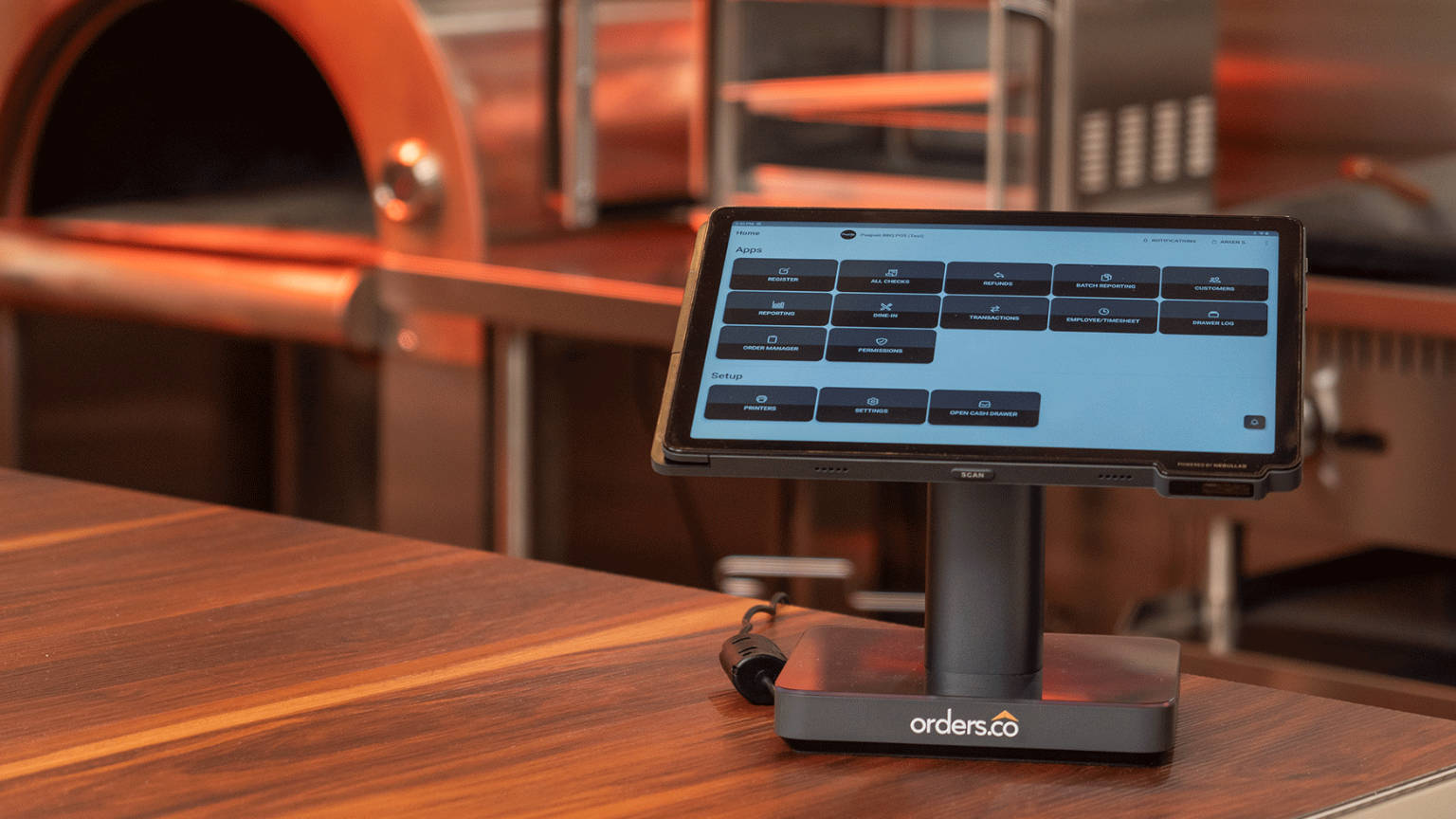
Orders.co is built for exactly the small and mid-size operators described above: independent trattorias, pasta bars, and pizza-forward concepts that need to compete like a chain without hiring a chain’s tech team. As Italian restaurant management software, it consolidates the pieces that are usually scattered across separate tools:
- One menu, every channel. Update a price, an 86’d special, or a new pasta modifier once, and it syncs across your direct site, DoorDash, Uber Eats, and Grubhub. No more editing the same nightly special in four places.
- Modifiers and combos that hold up under pressure. Build out pasta substitutions, add-ons, wine pairings, and family-meal bundles cleanly, so kitchen tickets are accurate even at 7:30 on a Friday.
- A commission-free direct ordering website branded as your restaurant, so the customers the apps send you have somewhere profitable to come back to.
- Order consolidation that pulls all delivery platforms into a single screen, so your staff stops bouncing between tablets and your manager isn’t spending the whole shift on Uber Eats instead of with guests.
- Loyalty, marketing, and reporting. Built-in loyalty and marketing tools to foster repeat business. You can automatically offer points for every dollar spent, send a ‘We miss you’ coupon to customers who haven’t ordered in 60 days, or create targeted promotions for your most loyal regulars—all without manual effort.
Orders.co can replace your POS entirely or run alongside the one you already have — most restaurants start by fixing delivery and reporting first, then decide later. The point isn’t to force a switch. It’s to remove operational chaos so you can get back to cooking and running your dining room.
AI Dispatch and Self-Delivery: Owning the Last Mile
But what does ‘AI dispatch’ actually do? When a direct order comes in, the system intelligently routes it to the best delivery option. It can automatically assign the order to one of your in-house drivers or tap into a network of on-demand couriers. The system calculates the most efficient route, provides predictable pricing (like a flat rate plus a per-mile fee), and lets you define your own delivery zones and charges. This gives you control of self-delivery without the logistical headache of managing drivers manually.
Orders.co’s AI dispatch routes those direct orders automatically: a driver gets assigned, pricing is predictable (for example, a flat rate for the first few miles plus a small per-mile add-on), and you control your delivery radius and fees. For an Italian restaurant with a loyal local following, that’s powerful — you can offer delivery to your regulars without giving up 30% to a marketplace, and without hiring a full delivery crew of your own.
This is how a neighborhood pasta shop starts to operate like a much bigger brand: the apps stay on for discovery, but your most valuable repeat orders flow through your own branded channel, dispatched by your own system.
A Simple Plan to Win Back Direct Orders
You don’t have to overhaul everything overnight. A realistic rollout for a busy Italian restaurant looks like this:
- Consolidate first. Get all your delivery apps and menus into one system, so updates and orders stop living in 5 places.
- Launch a branded direct ordering site with your full menu, modifiers, wine list, and nightly specials done right.
- Promote it relentlessly — QR codes in every app bag, a first-order coupon, buttons on every social and review profile.
- Turn on loyalty and follow-up marketing so first-time diners become regulars who order direct.
- Add self-delivery with AI dispatch for your direct orders to own the last mile and protect your margins.
It’s important to be realistic: launching a direct ordering site isn’t a ‘build it, and they will come’ solution. The primary advantage of third-party apps is their built-in audience. To compete, you must actively and consistently market your own website. This means the promotional tactics mentioned earlier—flyers in bags, QR codes, social media buttons, and email marketing—aren’t optional. They are the engine that will move customers from the high-commission apps to your profitable direct channel over time.
The Bottom Line
Italian restaurants have some of the strongest delivery demand and most loyal regulars in the entire industry — and also some of the most complex menus to manage across channels. The opportunity isn’t to abandon DoorDash and Uber Eats; it’s to use them as a discovery engine while building a profitable, commission-free direct-ordering business of your own.
The right system makes that possible without an in-house tech team. Orders.co exists to help small and mid-size restaurants succeed — consolidating your menu, channels, delivery, and customer relationships into one place so you can keep more of every dollar and spend less time fighting your software.
Frequently Asked Questions
Not usually. For most Italian restaurants, the smarter move is not to leave the apps overnight, but to use them more strategically. DoorDash, Uber Eats, and Grubhub can still help new diners discover your restaurant. The problem starts when repeat customers keep ordering through those apps, and you keep paying commissions to people who already know and love your food. A better strategy is to keep the apps for visibility while giving customers a clear reason to come back through your own direct ordering website.
Start by making direct ordering impossible to miss. Add an “Order Direct” button to your website, Google Business Profile, Instagram, Facebook, Yelp, and email signature. Then place a flyer or QR code in every delivery bag with a simple offer, such as “Order direct next time and save.” The goal is to turn first-time marketplace customers into repeat direct customers. Once they order directly, you can collect customer information, send offers, promote specials, and build a relationship that does not depend on a third-party app.
Pizza, pasta, and family-style Italian meals often have strong repeat demand. A customer who orders your pizza once may order it again every Friday. A family that loves your baked ziti tray may come back monthly. If those repeat orders keep coming through a marketplace, you keep paying commission on customers you already earned. Direct ordering helps you keep more of the profit from loyal customers while still using third-party apps to bring in new ones.
Italian menus can be harder to manage online because they often include many modifiers, substitutions, add-ons, family meals, and rotating specials. A pasta dish might need options for sauce, protein, pasta type, gluten-free swaps, extra cheese, spice level, or sauce on the side. If those options are not set up correctly across every platform, mistakes happen quickly. A centralized menu system helps Italian restaurants update items, prices, modifiers, and availability in one place, rather than editing the same menu separately on DoorDash, Uber Eats, Grubhub, and their own website.
Yes. Orders.co helps restaurants bring third-party delivery orders, direct online orders, menus, reporting, loyalty, and marketing into one connected system. Instead of staff jumping between multiple tablets or dashboards during a dinner rush, orders can be managed from one place. This is especially useful for Italian restaurants with busy delivery volume, complex menus, and repeat customers who should be encouraged to order directly over time.
Yes, but only when restaurants make it easy. Many diners are used to opening delivery apps because that is where the habit already exists. To change that behavior, restaurants need to consistently promote direct ordering. That means clear website buttons, QR codes in bags, first-order coupons, loyalty rewards, SMS/email follow-ups, and social media reminders. Customers who already love your restaurant often want to support you directly, but they need a fast, obvious way to do it.
The best first step is to create a branded direct ordering experience and put the link everywhere customers already interact with your restaurant. Start with your website and Google Business Profile, then update Instagram, Facebook, Yelp, printed menus, receipts, and delivery bag inserts. After that, use a simple offer to move marketplace customers over, such as “Order direct and get 10% off your first order.” Once that direct order comes in, use loyalty and follow-up marketing to keep that customer coming back without paying marketplace commission every time.


