“If you come to our shop, everything is made by me, but it’s like the memory of my mom, basically.” says Polly Tseng, owner of LT9 Tea Blends.
When LT9 Tea Blends opened in Old Town Pasadena, there was no grand opening. The family soft-opened during COVID, when few people were out walking and almost no one knew the shop existed.
So Irene Woo stood near the front and greeted whoever came in. Whether they bought anything or not, she offered them tea to taste. Sometimes only one person came through the door. What mattered to her was sharing something she had made and seeing whether the guest enjoyed it.
Today, her daughter, Polly Tseng, runs LT9 Tea Blends at 50 N Raymond Ave in Pasadena. She still serves the drinks and food that grew out of her mother’s love of cooking, and she still wants people to feel welcome when they walk in.
Polly shared her story on Episode 3 of Menu EN, a restaurant podcast hosted by Lani Manaseryan and powered by Orders.co.
How a Family Dream Became LT9 Tea Blends
LT9 Tea Blends started with two things the family already loved: Irene’s cooking and a shared habit of drinking tea.
Polly was born in the United States, spent much of her childhood in Taiwan, and moved back to the U.S. around age 18. Before running a tea shop, she worked as a pianist and piano teacher.
Irene loved to cook and had always wanted a place to share her food. Tea ran through the whole family. Polly remembers carrying several drinks with her while she studied, a habit her friends found funny. Eventually, those two loves became one idea: a tea shop, with food as part of the bigger vision.
The name has its own story. LT9 refers to L-theanine, an amino acid that occurs naturally in tea. It is a different compound from caffeine. The family also wanted something distinctive and easy to remember.
Opening a Tea Shop in Pasadena During COVID-19
LT9 opened during the pandemic, which made every normal step of starting a business harder. The family found a space in Old Town Pasadena, then worked through permits, renting, and setup while disruptions slowed everything down.
With little marketing and very little foot traffic, Irene’s samples became the shop’s first introduction to the neighborhood. Polly describes the approach simply: offer people something good, ask them to try it, and make them feel welcome.
Gradually, more people discovered LT9, and Irene’s welcome set the tone for what the shop wanted to be.
For a new independent restaurant, early relationships can matter as much as promotion. When only a few customers walk in, each one shapes what the business becomes known for.
How Polly Recreated Her Mother’s Recipes Without a Cookbook
Polly rebuilt her mother’s flavors from memory, because Irene did not leave behind a formal recipe book.
Growing up, Polly watched her mother cook, but Irene usually handled everything herself. Polly was more used to tasting the finished dishes than cooking alongside her. After Irene passed away, the family faced a problem they had not expected. They knew how the food was supposed to taste. They did not necessarily know the measurements or methods that got it there.
So Polly worked backward from taste. Recreating a dish that way is slow work. A flavor can be clear in memory and still hard to reach in the kitchen.
The menu today includes Hainan chicken rice served with sauces, tiramisu in matcha and coffee flavors, shaved ice prepared when it is ordered, and the tea drinks that started the concept. Polly makes the desserts herself.
The point is less about any single dish than about an approach Polly learned from her mother: make the food yourself, make it carefully, and share it.
What Makes LT9 Different From Other Pasadena Tea Shops?
LT9 sets itself apart by working as a cafe with food and desserts, not only a boba shop, and by building its drinks around a small, deliberate set of tea bases.
Old Town Pasadena has plenty of tea and boba shops. Instead of competing on drink count, LT9 gives people more reasons to come in. Hainan chicken rice and homemade desserts mean a customer can stop by for a meal or something sweet, not only a drink.
A structured tea menu. The drinks start from four tea bases: black tea, oolong, Earl Grey, and green tea. From there, the team builds combinations with fruit, milk, and other ingredients. Each new drink is made and tasted before it earns a spot on the menu. Polly compares the process to science. A small set of bases gives the team room to experiment while keeping the menu consistent.
Matcha and coffee. LT9 also experiments with matcha, including drinks that pair matcha with coffee for customers who want a different flavor or a stronger drink.
Simpler ingredients. Polly wants to cut back on added sugar, artificial coloring, and unnecessary additives. She also wants to know what goes into each drink well enough to explain it to customers.
For LT9, standing out does not depend on having the biggest menu.
How Polly Uses Technology to Make Drink Training Manageable
LT9 uses a programmable drink machine so employees no longer have to hold every recipe in their heads.
Training used to be hard. New employees had to memorize a long list of drink combinations and preparation steps. Polly says training could take about two weeks, and even then, mistakes were possible.
To make the work simpler, the family brought in a programmable drink-making machine. An order can be scanned with a QR code, the machine handles part of the preparation, and the employee finishes the drink by stirring, shaking, or pouring. The recipe lives in the machine instead of in each person’s memory.
LT9 also takes orders from several channels, including an online ordering system connected to its POS and third-party delivery apps such as Uber Eats and DoorDash. In a small cafe, the same few people move between the counter, the prep area, and packing orders.
Technology helps most when it removes repetitive work and leaves people more room for food, service, and customers. Orders.co builds its tools for independent restaurants, including menu management across ordering channels, around that same idea. LT9’s machine and ordering setup are its own, but the principle applies to almost any small operation.
Why Polly Prefers a Storefront to a Ghost Kitchen
Polly prefers running a storefront because it lets her meet the people who enjoy her food.
She has experience with both models. The family previously operated three locations in total: the Pasadena storefront plus delivery-only ghost-kitchen operations in Koreatown and Santa Ana. The pandemic led them to focus on Pasadena. Polly says she is open to expansion or franchise opportunities in the future, though nothing specific is planned.
“I do like storefront because you can meet people, you can talk to people,” she says.
She recognizes regulars, including people who seem to work nearby, and notices familiar names when orders come through. Those small moments matter to her.
Neither model is right for every business. A ghost kitchen can serve a delivery-focused concept well. A storefront creates room for in-person hospitality and direct relationships. Polly’s preference comes down to the people.
Running a Family Business While Grieving
Running LT9 as a family has brought ordinary business challenges, and Polly has also had to keep the shop going after losing her mother.
Family ownership does not remove disagreement. Everyone has ideas, and moving forward means listening, combining perspectives, and agreeing on a direction. Polly describes the first year as especially difficult.
When Lani asked how she handled her mother’s passing while the business was running, Polly explained that she and her siblings grieved in different ways. For her, work became one way to cope. She focused on keeping the shop open and maintaining what Irene had created, because she wanted the business to keep fulfilling her mother’s wish.
She is also honest about how hard it is to step away from a business that depends on its owner. She tries to make time for short trips. Sometimes, after work, she goes to Disneyland just to walk around and relax.
Her advice to others comes from that experience. “Make sure the stuff that you’re doing, it’s something you really like,” she says. And take breaks, even though she knows that part is not always easy.
What Independent Restaurant Owners Can Learn From Polly’s Story
Polly’s experience is specific to LT9, but a few lessons apply well beyond one Pasadena cafe.
Start with a clear purpose, even if the concept grows. LT9 began with tea and expanded into food and desserts as the family’s vision took shape.
Give customers a reason to choose you. In a neighborhood with many tea shops, LT9 stands out through its food, its ingredient choices, and personal service.
Automate the repetitive parts, not the hospitality. The drink machine handles part of the preparation. Recognizing regulars is still Polly’s job.
Build a business you can keep showing up for. Commitment matters, and so does time away from the counter.
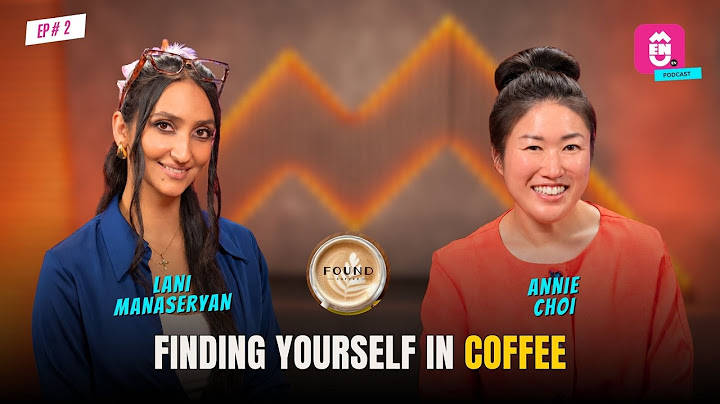
For another Menu EN story about independent cafe ownership, read how Annie Choi built Found Coffee into an Eagle Rock community hub.
Continuing What Irene Started
LT9 has changed since the days when Irene stood near the door offering tea to anyone who walked in. The menu has grown, the drink station has a machine, and orders arrive from more places than the front counter.
What Polly is trying to protect has not changed. The drinks, the food, and the way people are greeted all lead back to the woman who wanted to share what she made.
“I’m trying to create what my mom created,” Polly says.
Plenty of family food businesses start with one person’s cooking. Fewer have to keep going without that person in the kitchen. At LT9, Polly does it by taste, by memory, and by welcoming people the way her mother did.
Watch Polly’s Full Conversation on Menu EN
Hear more about how Polly built LT9 Tea Blends, rebuilt her mother’s recipes, and learned to manage the realities of small-business ownership. Watch the full episode on the Menu EN YouTube channel.
Visit LT9 Tea Blends in Pasadena
LT9 Tea Blends
50 N Raymond Ave, Pasadena, CA 91103
Website: lt9.la