


- The setup that was quietly costing the team
- One screen for every brand and every app
- Menu and price changes are made once
- Training took a shift, not a season
- The results showed up right away
- Support that continues after go-live
- Room to add brands without adding hardware
- Run your whole ordering operation from one screen
- FAQ
- More Helpful Reads
| Restaurant | Ristorante Da Maria |
| Cuisine | Italian |
| Years in business | 10 |
| Employees | 11 |
| Setup before | A separate ordering tablet per channel, across several virtual brands |
| Solution | Order Consolidation, Menu Management, multi-brand management |
| Result | One tablet to watch, faster menu and price updates, and staff back on their primary work |
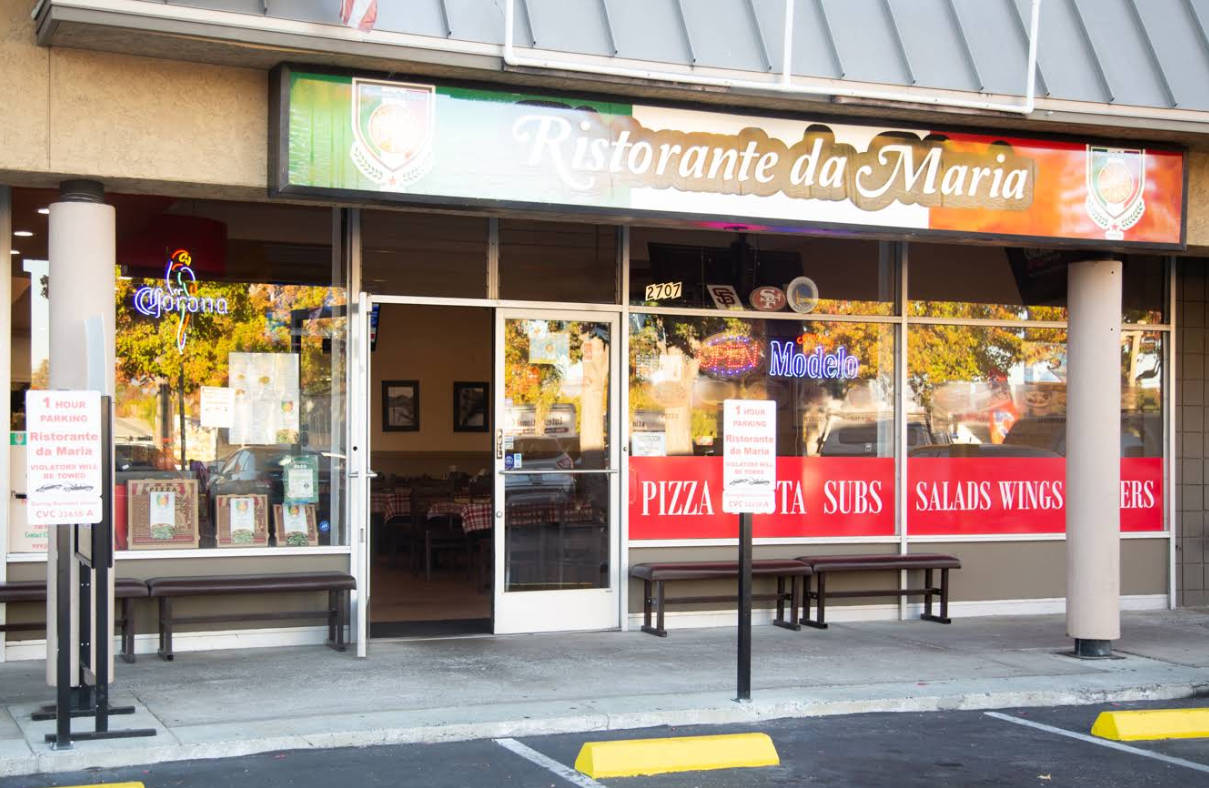
Ristorante Da Maria never had a kitchen problem. Ten years in, with 11 people on staff, the food and the service were the parts that worked. The problem sat next to the register: a separate ordering tablet for every channel, several virtual brands to keep straight, and employees pulled off their real jobs to watch devices.
Today, the restaurant runs its entire digital ordering operation, main brand and virtual brands included, from one tablet.
The setup that was quietly costing the team
Before Orders.co, Da Maria’s online ordering ran across multiple tablets. Each one needed someone to watch it. Each one had its own menu to maintain and its own prices to update.
That arrangement is common, and it gets expensive in ways that never show up as a line item. Once a restaurant gets past one or two tablets, staff cannot reliably keep up with all of them during a rush. Orders get accepted late. Somebody has to step away from a table or a station to deal with a screen. And with virtual brands in the mix, the device count multiplies faster than the revenue does.
For Da Maria, the cost was attention. More people than necessary were assigned to monitoring hardware, and management spent time overseeing ordering devices instead of working on the business.
One screen for every brand and every app
Orders.co consolidates orders from DoorDash, Uber Eats, Grubhub, and ezCater into a single system, so the team works from one place instead of one device per platform.
For a multi-brand operation, that consolidation goes a step further. Operators can switch between businesses inside the same system, which lets each virtual brand keep its own menu structure and its own loyalty program while the sales data aggregates into one view. A second concept does not require a second counter full of hardware.
Da Maria’s result was a cleaner setup with one tablet to manage. Fewer devices meant fewer people tied to them, and the employees who used to split their attention could put it back on the floor and in the kitchen.
Menu and price changes are made once
Menu work turned out to be the second meaningful change.
Da Maria updates menus across its ordering providers at once rather than logging into each platform separately. Price changes, item changes, and sold-out items sync in real time across Uber Eats, DoorDash, Grubhub, and the restaurant’s own ordering site once they are saved. For a restaurant carrying several brand menus, that removes a recurring block of admin work every week.
The restaurant also uses Orders.co’s menu team for help with categories, promotions, and other menu requests. Centralized control handles the mechanics. The menu team handles the judgment calls that operators usually have to figure out on their own.
Training took a shift, not a season
Adoption is where restaurant technology usually stalls. A system that requires weeks of adjustment costs more in lost service than it saves in efficiency.
Da Maria found the platform easy to manage and the training simple. Staff picked up the Orders.co tablet manager quickly. That has less to do with the software being clever and more to do with there being one interface to learn instead of four.
The results showed up right away
Da Maria saw the difference immediately after implementation.
The clearest gain has been productivity. With fewer devices to monitor and a single workflow, employees stay on their primary responsibilities instead of rotating through screens. The restaurant no longer needs multiple people assigned to separate ordering tablets, which frees labor for the work guests actually see.
Management got the same thing back in a different form: time. Instead of supervising a row of devices, the owner can work on the parts of the business that grow it.
Support that continues after go-live
Da Maria’s experience with Orders.co includes the people, not just the platform.
The restaurant has access to menu experts for categories and promotions, marketing guidance and feedback, an account contact for ongoing questions, and a success team that checks in against the restaurant’s goals.
That matters more than it sounds. Most independent operators are making digital decisions alone, between shifts, with no one to sanity-check them. Having someone to ask changes how quickly problems get solved and how often opportunities get spotted.
Room to add brands without adding hardware
With its ordering operation consolidated, Da Maria has more room to use virtual brands as a growth lever.
Virtual brands work by putting an existing kitchen to better use during hours and on dayparts that are already paid for. The reason many operators stop at one is operational, not creative: each additional concept historically meant more tablets, more menus to maintain by hand, and more chances for something to slip.
Da Maria manages its concepts inside one workflow instead. The flexibility to test a sales opportunity no longer comes bundled with a more complicated Friday night.
Run your whole ordering operation from one screen
If your counter has a tablet for every platform and a brand you would launch if only the operations held up, the constraint is your setup, not your ambition.
Orders.co brings your delivery apps, your direct orders, and your virtual brands onto a single system, keeps every menu in sync across channels, and gives you a team to call when something needs to change. We run the migration with you, from menu build to your first live shift.
FAQ
Orders.co brings orders from DoorDash, Uber Eats, Grubhub, and ezCater into a single system, so staff work from one screen instead of one device per platform. Ristorante Da Maria now manages its full digital ordering operation from a single tablet, including its virtual brands.
Yes. Operators can switch between businesses inside the same system, and each brand keeps its own menu structure and loyalty program while sales data rolls up into one place. That means adding a concept does not mean adding another stack of hardware to the counter.
Yes. Menu changes, price changes, and sold-out items sync in real time across Uber Eats, DoorDash, Grubhub, and your own ordering website once you save them. Da Maria cites this as one of the clearest time savings in its day-to-day work.
Support continues past onboarding. Orders.co provides 24/7 live support and a dedicated menu team that helps with categories, promotions, and menu updates, plus an account contact for ongoing questions. Da Maria also receives marketing guidance and feedback.
No. Orders.co can run alongside a supported POS or replace it entirely. Many restaurants start by fixing delivery order flow, menu management, and reporting, then decide later whether to move the POS itself.


